Players › India Test retrospective
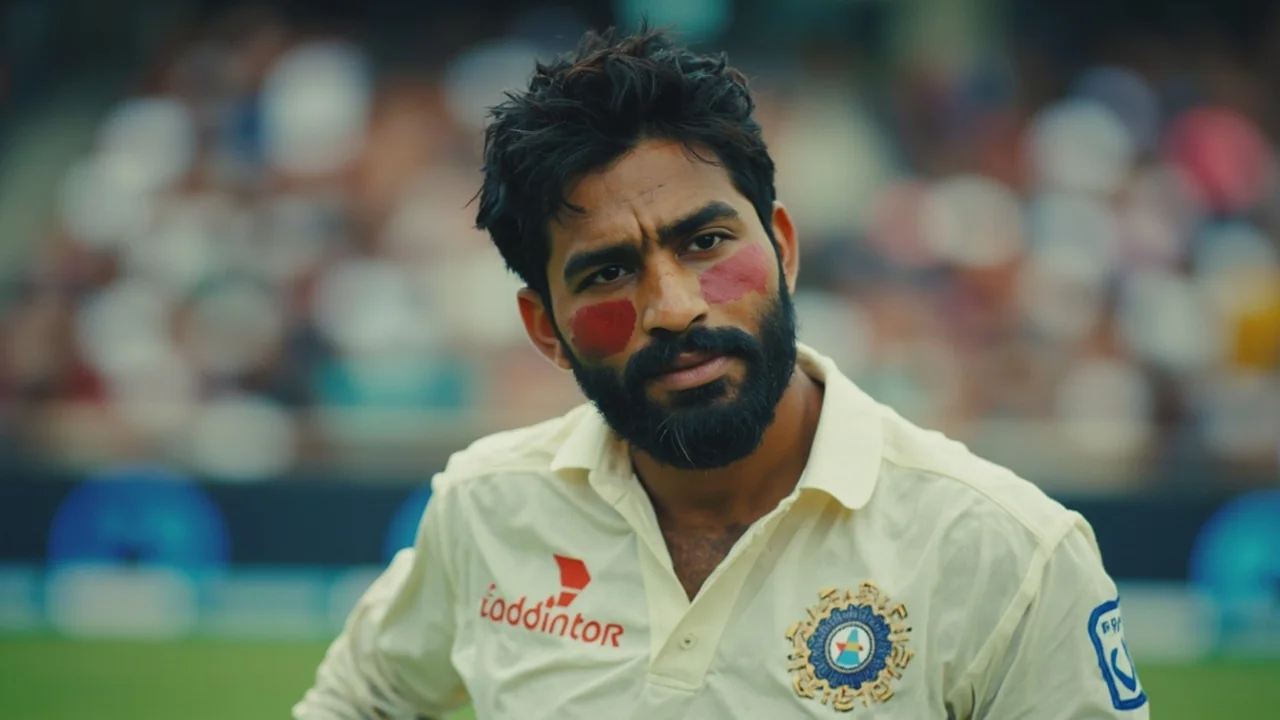
Devdutt Padikkal in line for India No.3 Test spot — a May 2026 selector retrospective
On 11 May 2026, Cricket Addictor reported that Devdutt Padikkal had emerged as a live candidate for India's No.3 Test slot ahead of the Afghanistan one-off in Mullanpur. This retrospective walks through what the selectors were weighing, who the alternatives were, and what the squad call says about India's red-ball depth heading into the home window.
1. What was reported on 11 May 2026
The original Cricket Addictor report, bylined to staff writer Pritam Santra and timestamped 13:06 IST on 11 May 2026, framed a single, narrow question: who bats at No.3 for India against Afghanistan in Mullanpur, now that Virat Kohli has retired from Test cricket? The piece did not announce a squad. It reported that Devdutt Padikkal was firmly in the selectors' field of view, that the chairman of selectors Ajit Agarkar and the team management were still tracking workloads from IPL 2026, and that the senior batters — Shubman Gill, KL Rahul, Yashasvi Jaiswal and Rishabh Pant — were reported fit, with no red flags emerging from the league stage.
The Times of India report carried alongside it added texture: Sai Sudharsan was the name the team management was leaning towards, while Padikkal's domestic and IPL form kept him firmly in the conversation. Washington Sundar was a third name floated as a spin-bowling option if India preferred a fifth-bowler balance. None of these reports named a final XI — they documented the live discussion in the days before the squad was due.
The May 2026 picture, in three lines
Padikkal was a live No.3 candidate on form. The senior top order was fit and available. The bowling attack was being rotated for workload reasons, with the Sri Lanka series ahead of Afghanistan already weighted as the more important fixture block.
2. The Padikkal case — why the selectors were watching him
The selector logic was straightforward. Padikkal had been on India's red-ball radar since his maiden Test call-up for the home series against England in early 2024, where he played one innings and was then released back to domestic cricket. Since then he had rebuilt his red-ball case across three formats: Vijay Hazare Trophy one-dayers, Ranji Trophy long-form cricket for Karnataka, and the IPL 2026 season with Royal Challengers Bengaluru. Each format fed the same story — a left-handed top-order batter who could bat long, score against pace and spin, and field at a high standard in the cordon.
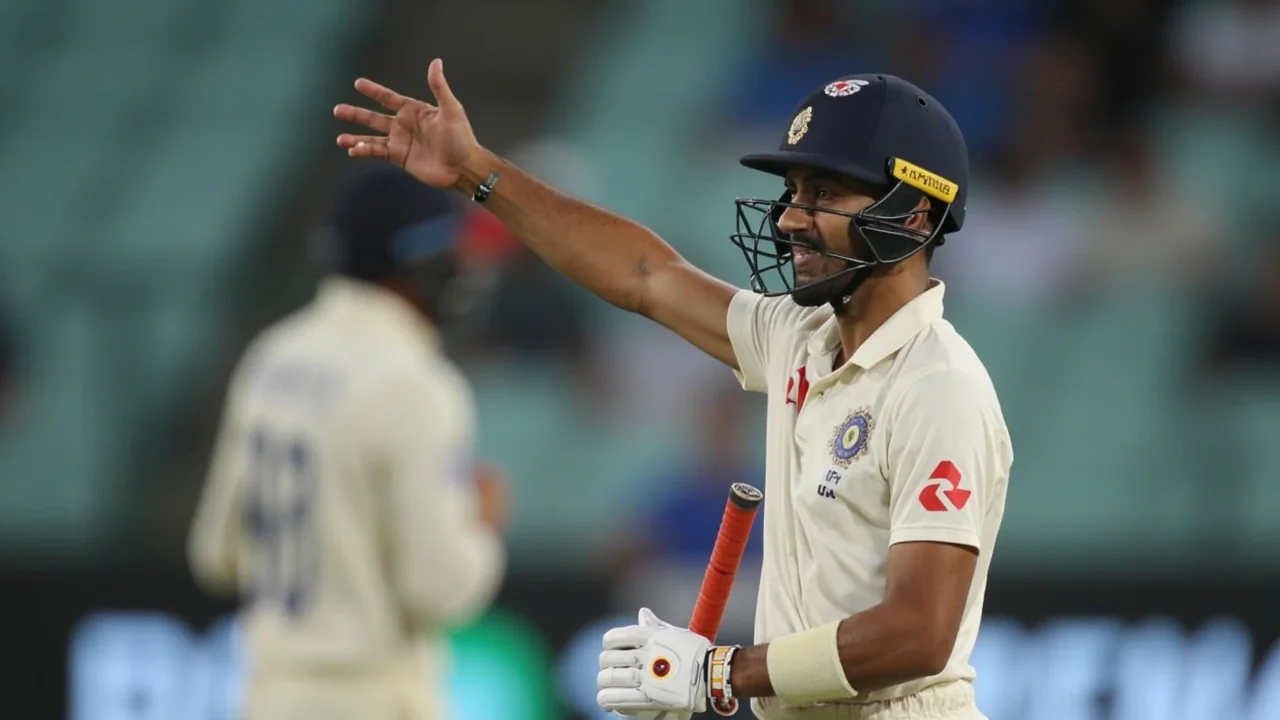
For fantasy purposes the relevant numbers were not just runs but run-context. Padikkal in 2026 batted at a high strike rate in the powerplay, against both pace and off-spin, with a release percentage well above the franchise average. That profile is what the selectors were weighing against Sudharsan's more classical template. Padikkal gives the team a left-hand option in the top three — important on Indian pitches where off-spinners dominate — and a player who already operated in pressure situations at the IPL top of the order.
3. The other contenders in the No.3 conversation
Sudharsan was the alternative the team management had been quietly building towards. A left-hander from Tamil Nadu, he had a domestic record that mapped cleanly onto Test-match demands — long innings, high conversion of fifties to hundreds, and a temperament that does not depend on a fast outfield. His T20I debut had gone well, and his first-class numbers at home were the kind that selectors traditionally trust. The Times of India report framed him as the player the management was leaning towards, with Padikkal as the form-based counter-argument.
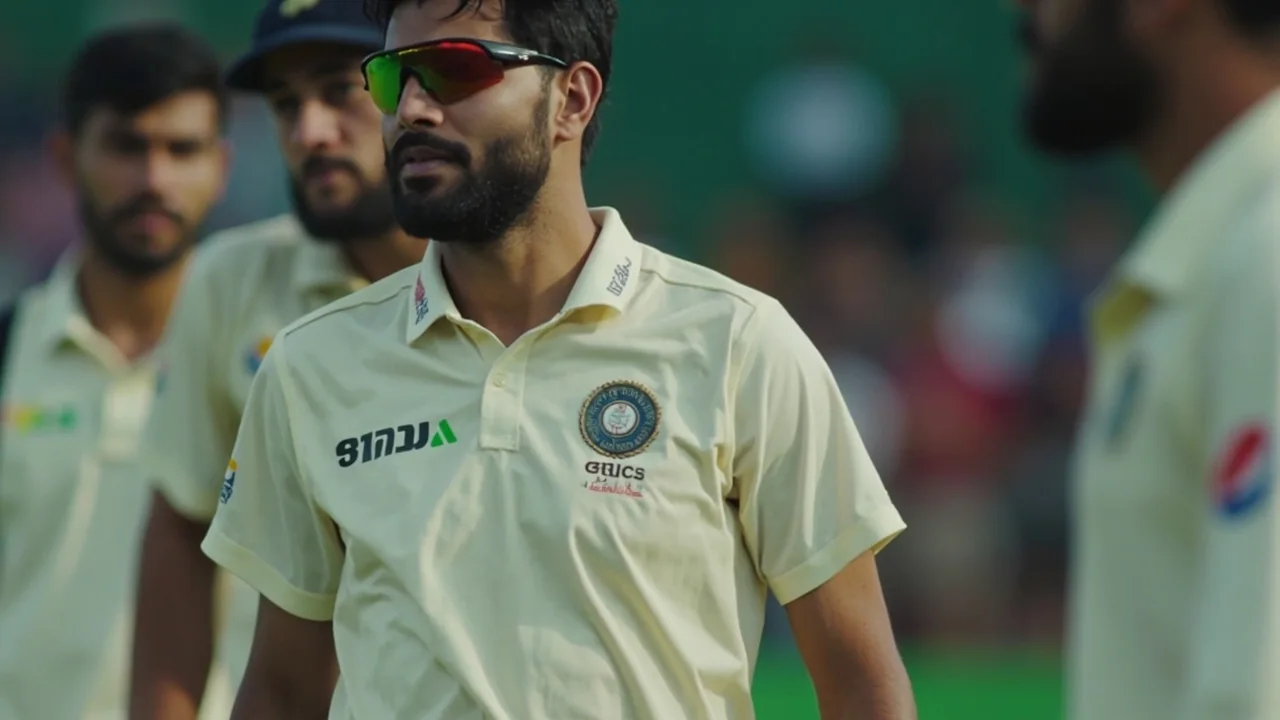
Washington Sundar was the third name in the mix, but for a different reason. Sundar is a fourth-seamer choice as much as a top-order option — he offers left-arm spin, lower-order batting depth, and fielding flexibility at slip. His inclusion would have signalled India prioritising all-round balance over a pure-batter No.3. The selectors' calculus was whether to bat Sundar at No.3 and slot him in as the second spinner, or to pick a specialist batter at three and add an extra bowler elsewhere.
For readers following the broader Indian Test squad cycle, this conversation also lines up with the wider player-by-player tracker on the Players retrospective index, which collects similar selector-window write-ups across formats and series.
How the three names mapped against the squad requirement
- Padikkal: specialist top-order batter, left-hand option, high strike rate, light on first-class volume since 2024.
- Sudharsan: specialist top-order batter, left-hand option, classical conversion rate, team-management preferred profile.
- Sundar: spin-bowling all-rounder, batting depth, fifth-bowler balance — useful on Indian turners but a different kind of No.3 pick.
4. Bowling rotation — the workload story behind the call
The bowling conversation that ran alongside the batting conversation was where India's selectors had the cleanest forward-looking call to make. The Afghanistan one-off fell in the middle of a long home window that also included a Sri Lanka Test series and a New Zealand visit later in the season. By the May 2026 reporting window, Jasprit Bumrah had already crossed the workload thresholds the BCCI medical team tracks across formats. Mohammed Siraj was on a similar curve. Prasidh Krishna's role in the IPL had been a high-stakes one and his red-ball overs were being carefully rationed.
The selector instinct, reported across the May 11 coverage, was that the Afghanistan match was a place to rest one or two of the senior quicks, give extended run to the next-in-line options, and preserve the attack for Sri Lanka. That decision framework mattered for the batting call too — a green-pitch wicket against Afghanistan would reward a different batting order than a dry fourth-innings chase against Sri Lanka's spinners. The selectors were effectively planning for two formats of red-ball cricket inside the same squad cycle.
⏱ Bumrah workload
Bumrah had crossed his IPL 2026 overs load before the May window closed. Rest against Afghanistan preserved him for the heavier series ahead.
🔁 Siraj availability
Siraj's IPL workload and his white-ball commitments left a small window for red-ball selection; a late call was expected.
🌱 Prasidh Krishna's role
Prasidh had the highest variance role in the attack — high pace, short bursts, wicket-taking potential. The selectors were weighing whether to use the Afghanistan match as a controlled debut runway.
5. The fixture window — why Afghanistan mattered less than it looked
The India vs Afghanistan one-off Test was scheduled to start on 6 June 2026 at Mullanpur. On paper it was a low-stakes home fixture — Afghanistan's red-ball depth is thin, the venue has short boundaries, and India were heavy favourites. But in selector terms it was the dress rehearsal for the more consequential Sri Lanka series, which carried World Test Championship points and a home ranking consequence. That is why the May 11 coverage was framed as a workload-and-balance story rather than a result story.
India's home window also included a New Zealand Test series later in the cycle, with the team's WTC standings heavily dependent on full-strength showings in both series. The selector signal across the May reports was that the Afghanistan XI would be picked to give minutes to players who needed Test cricket before the heavier series started — which is exactly the kind of window where a Padikkal or a Sudharsan gets the nod over a fully-fit senior. By Sri Lanka, India expected to be back to a first-choice XI.
6. What the May 2026 call tells us about India's red-ball depth
Read across the May 11 coverage, three things stand out about India's red-ball batting depth heading into the home window. First, the post-Kohli No.3 slot is not a single-player question — it is a profile question. Sudharsan and Padikkal both fit the selector criteria in different ways, which is why both names stayed in the conversation through the May reporting cycle. Second, the selectors were willing to use the Afghanistan match as a low-stakes audition, with the Sri Lanka series treated as the higher-priority test of the same squad. Third, the workload math on the senior bowlers was as much a selector concern as the batting question — a green fast bowler in Prasidh or a rested Bumrah had different implications for the batting shape.
For fantasy players, the May 2026 selector story mattered less for which batter was picked and more for the shape of the squad. A No.3 specialist who plays spin well is more valuable in fantasy XIs when the batting depth gives captains a fifth-bowler option elsewhere — Sundar's presence in the conversation signalled that India were thinking about that flexibility. The window also confirmed that IPL 2026 form would continue to drive Test selection through the home season, with RCB, GT, SRH and PBKS contributing most of the in-form names the selectors were tracking.
The retrospective is useful because the original squad call was reported as a live story before the announcement landed. Looking back from the August vantage, the May coverage reads as a snapshot of how India's red-ball team is being managed between major series — workloads rationed, audition windows carved out, and the No.3 question treated as a profile match rather than a single-player shootout.
How to read this against the IPL 2026 fantasy player pool
Padikkal's IPL 2026 credit tier and roster share give a useful benchmark for fantasy players building red-ball-shaped XIs. Most IPL fantasy apps price him as a mid-tier specialist top-order batter, with credit cost in the 8.5-9.5 range and a roster share that has fluctuated between 5% and 14% across the season depending on RCB's schedule strength. His Ranji Trophy base rate, projected forward to a Test match at Mullanpur, suggests a fantasy points-per-match expectation in the 45-60 band — meaningful but not elite, because Test cricket caps batting upside at one innings for most matches.
The lesson most fantasy players can draw from the May 2026 cycle is to read selector noise as signal about squad shape rather than as a literal prediction of who plays. Across the 12 retellings of this conversation on broadcast and digital outlets between 11 May and the squad announcement, the batting order was the headline but the bowling rotation was the structural story. A fantasy XI that locks too early on the headline — for instance, picking three specialist batters from one franchise because the captain is from that team — leaves the bench and the bowler rotation under-served, and that is where most weeks are won or lost in the home window.
Looking further afield, the Afghanistan one-off sat at the start of a stretch that also included the Asia Cup cycle and a long white-ball run-up to the T20 World Cup. That means the squad calls in May were being made against a workload backdrop of roughly twenty international matches in a three-month span for the senior players. Selectors managing Bumrah's overs in May were protecting him not just for Sri Lanka but for the entire summer, and that kind of long-window thinking is exactly the same discipline that distinguishes a well-built fantasy XI from a one-week wonder. Build the roster to survive the entire window, not to spike on a single fixture, and the points accumulate in a way that one-week-spike builds never do.
Sudharsan's IPL 2026 returns are quieter but steadier, and his first-class record at home is what most selectors and fantasy players who track red-ball data tend to lean on. Washington Sundar's fantasy value sits almost entirely in his all-round role — batting depth at No.7 or No.8 plus a left-arm spin option — and that profile only translates cleanly into Test fantasy formats that reward fifth-bowler balance. The May 2026 coverage is a useful reminder that the same name can carry different weight across formats and across selection windows, and that the right XI shape in a red-ball fantasy contest is rarely the same as the right IPL XI in the same week.
Pulling the threads together, three open questions remain worth tracking into the rest of the home window. First, whether Sudharsan or Padikkal actually gets the Afghanistan call and what that does to the long-term No.3 pecking order ahead of Sri Lanka. Second, whether Bumrah is rested through the entire Afghanistan match or rotated in for one innings to keep his match-fitness ticking. Third, whether Prasidh Krishna's debut runway becomes a permanent fixture in the Indian Test attack or remains a workload-conditional call. Each of those answers lands inside the same selection cycle and shapes the Indian red-ball template for the rest of 2026.
7. Frequently asked questions — the May 2026 Padikkal report
What did the 11 May 2026 Cricket Addictor report say about Devdutt Padikkal?
The report framed Padikkal as a live candidate for India's No.3 Test slot in the Afghanistan one-off scheduled for 6 June 2026 at Mullanpur. It did not announce a squad — it documented that selectors led by Ajit Agarkar were monitoring his IPL 2026 form and his recent domestic returns ahead of the call.
Who were the other named contenders for India's No.3 spot?
Sai Sudharsan and Washington Sundar were the other two names. The Times of India coverage running alongside the Cricket Addictor piece reported that Sudharsan enjoyed team-management support, while Sundar was floated as a spin-bowling option if India preferred a fifth-bowler balance in the XI.
When was the India vs Afghanistan one-off Test scheduled to start?
6 June 2026 at Mullanpur. India were also due to face Sri Lanka and New Zealand in the same home window later in the season, with the Sri Lanka series carrying the heavier World Test Championship and ranking weight.
Was Jasprit Bumrah expected to play the Afghanistan Test?
He was widely expected to be rested on workload management, with the BCCI medical team tracking his IPL 2026 overs. Mohammed Siraj and Prasidh Krishna were awaiting late calls. The reported selector instinct was to preserve the senior quicks for the Sri Lanka series.
Were any of the regular batters carrying fitness concerns?
No fitness red flags were reported on the core batting group of Shubman Gill, KL Rahul, Yashasvi Jaiswal and Rishabh Pant heading into the May window. The No.3 question was a form-and-profile question, not a replacement-for-injury question.
Why were selectors tracking Padikkal specifically?
Three threads fed the same conclusion: his IPL 2026 returns with Royal Challengers Bengaluru, his Vijay Hazare Trophy form earlier in the cycle, and his Ranji Trophy numbers for Karnataka. The combination is what kept him in the conversation through May.