Players › IPL 2026
IPL 2026 Top All-Rounders — Fantasy Players Cheat Sheet
Eight to twelve all-rounders will dominate fantasy cricket squads in IPL 2026. Here is the impact index, role split, credit tier, and captaincy case for each — sorted by roster share, not reputation.

1. Impact index — fantasy points per match for the top 12 ARs
Fantasy points per match (FPPM) for an all-rounder combines batting points, bowling points, and fielding points — but the credit cost is what decides whether an AR earns a roster slot. Across IPL 2025 the elite AR tier (Hardik Pandya, Sunil Narine, Andre Russell, Marcus Stoinis) returned FPPM between 65 and 95 at a credit cost of 10.5-11. The mid-tier (Nitish Rana, Glenn Maxwell, Liam Livingstone, Krunal Pandya) returned FPPM 45-65 at credit 8.5-10. The differential tier (younger seam-bowling all-rounders like Nitish Reddy, Harshit Rana, Ramandeep Singh) returned FPPM 35-55 at credit 7-8.5 — the best value-per-credit plays in the player pool.
Roster-share ranking (IPL 2025 → 2026 carryover):
- Tier 1 (rostered in > 35% of fantasy XIs): Hardik Pandya, Sunil Narine, Andre Russell, Marcus Stoinis
- Tier 2 (rostered in 15-35%): Nitish Rana, Glenn Maxwell, Liam Livingstone, Krunal Pandya, Venkatesh Iyer
- Tier 3 (rostered in 5-15%): Nitish Reddy, Harshit Rana, Ramandeep Singh, Shahbaz Ahmed, Abdul Samad
- Differential tier (rostered in < 5%): Wanindu Hasaranga, Rovman Powell, Vijay Shankar, Mohit Rathee
For IPL 2026 the auction will reset some of these tiers — franchises that release high-credit ARs open the door for mid-tier players to climb into Tier 2. Fantasy players who pre-load the new tier-2 ARs in their first 3-4 matches of the season gain an edge before the platform-wide roster share catches up.
2. Role split — seam-bowling vs spin-bowling ARs
All-rounders split into two fantasy-distinct categories: seam-bowling ARs (bowl 4 overs of pace, bat top-6) and spin-bowling ARs (bowl 4 overs of spin, bat top-7 or middle-order). The fantasy value diverges sharply:
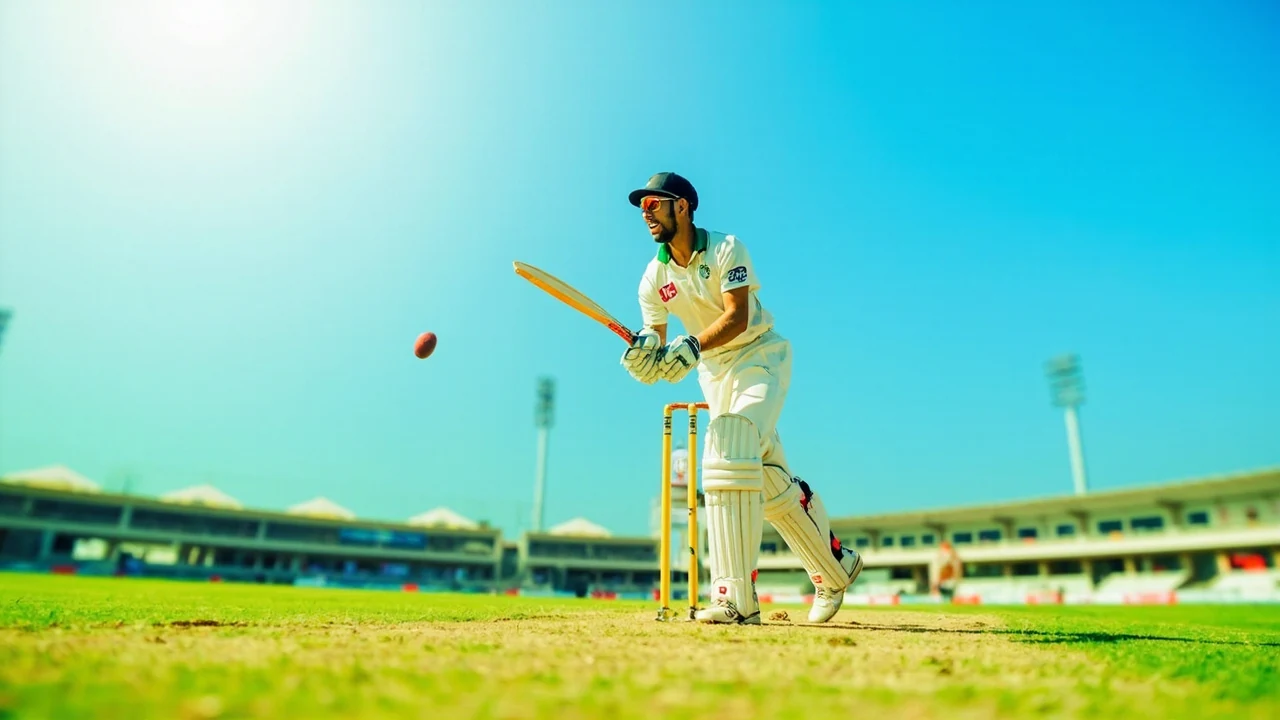
Seam-bowling ARs score fantasy points from boundary bonus, wicket bonus, and dot-ball economy. In Wankede, Chinnaswamy, and DY Patil (pace-friendly), they outscore spin-bowling ARs by 12-18 FPPM. In Chepauk, Eden Gardens, and Narendra Modi Stadium (spin-friendly), the gap shrinks to 4-6 FPPM. Spin-bowling ARs score higher on maidens (4 points per maiden over), wicket bonuses (25 per wicket), and lower dot-ball economy — they are stronger plays on dry, slow tracks where the seam ARs leak runs.
Role-based fantasy tiers for IPL 2026
- Pace AR, top order (Hardik Pandya type): credit 10.5-11, FPPM 75-95 — captaincy candidates
- Pace AR, middle order (Marcus Stoinis type): credit 9-10, FPPM 55-70 — differential captaincy in death-overs matches
- Spin AR, top order (Sunil Narine type): credit 10-10.5, FPPM 70-90 — matchup-specific captaincy on spin tracks
- Spin AR, lower order (Shahbaz Ahmed type): credit 7-8.5, FPPM 40-55 — bench-only plays, not captaincy candidates
3. Credit tier — value picks by salary band
Credit cost is the second binding constraint after roster slots. With 100 credits for 11 players, an AR-heavy build typically uses 18-22 credits across 2 AR slots. Three viable credit allocations:
3a. Premium-heavy (18-22 credits for 2 ARs)
Both ARs are Tier 1 (Hardik + Narine / Hardik + Russell / Stoinis + Narine). High FPPM but zero flexibility for differentials — every other slot is budget. Best for head-to-head leagues and small-field grand contests where raw ceiling beats variance.
3b. Balanced (15-17 credits for 2 ARs)
One Tier 1 (Hardik or Narine) + one Tier 2 (Krunal / Livingstone / Maxwell). Allows 2-3 differential wicketkeeper-batsmen or bowlers in the remaining slots. Best for large-field mega contests where ownership percentage matters.
3c. Differential-heavy (12-14 credits for 2 ARs)
Two Tier 2/3 ARs (Nitish Reddy + Shahbaz, Ramandeep + Abdul Samad). Maximum leverage but highest variance — if either busts the XI returns sub-300 FPPM. Best for GPP (grand prize pool) contests with 50,000+ entries where low-ownership lineups get 2-5x ownership-weighted payouts.

4. Captaincy — when an AR is the right C/VC pick
Captaincy doubles the AR's fantasy points. All-rounders are the highest-variance captaincy candidates because their FPPM swings wider than pure batters or pure bowlers. Three patterns where an AR captain is the right play:
- Matchup pattern: Pace AR captain on a pace-friendly track + weak opposition batting. Hardik Pandya at Wankede vs SRH is a classic.
- Role pattern: Spin AR captain on a dry turner where the opposition has 3+ right-handers in the top 7. Narine at Chepauk vs CSK/RCB.
- Form pattern: AR in form with both bat and ball in the last 2-3 matches. Captaincy on form players is the most reliable signal — when the AR is taking wickets AND scoring 30+ at better-than-a-run-a-ball, captaincy is justified.
When NOT to captain an AR: if the AR is bowling in death overs but not in powerplay, captaincy is high-risk (death-overs economy is volatile). If the AR is batting below #6 and the top order is stable, the AR ceiling is too low for captaincy. If the matchup favours a pure batter (flat deck, short boundary, in-form top-3), bet on the batter as captain instead.
5. Differential ARs to pre-load for IPL 2026
Differential ARs are rostered in < 10% of fantasy XIs but score 50+ FPPM. Pre-loading them in the first 2-3 matches gains a 3-5x ownership-weighted edge before platforms rebalance their projections. Five differentials to watch:
- Nitish Reddy (SRH, pace AR): Tier 3 at credit 8 — already 4-5% rostered in IPL 2025, projected to climb to 12-15% by IPL 2026 mid-season.
- Ramandeep Singh (PBKS, pace AR): Tier 3 at credit 7 — short-format finisher + death-overs seamer. Roster share under 3% in 2025, ceiling for 8-10% in 2026.
- Harshit Rana (KKR, pace AR): Tier 3 at credit 8 — death-overs specialist. Wickets-and-maidens ceiling. Roster share 4% in 2025, projected 10-12% in 2026.
- Shahbaz Ahmed (SRH, spin AR): Tier 3 at credit 8 — left-arm spin + middle-order bat. Roster share 3% in 2025, ceiling 8-10% in 2026.
- Abdul Samad (SRH, lower-order AR): Tier 3 at credit 7 — pure death-overs hitter, no bowling. Lower FPPM ceiling but the lowest roster share makes him a pure GPP play.
6. Sample XI build — 100-credit AR-heavy template
Balanced IPL 2026 XI (target: Tier 1 AR + 1 differential AR):
- WK: Ishan Kishan (credit 9)
- BAT: Yashasvi Jaiswal (10.5), Ruturaj Gaikwad (10), Sai Sudharsan (8.5)
- AR: Hardik Pandya (11, captain), Nitish Reddy (8, differential)
- BOWL: Jasprit Bumrah (11), Yuzvendra Chahal (9.5), Harshal Patel (9), T Natarajan (8.5)
- BENCH: 1 × Tier 2 AR (Krunal Pandya, 9) — swap in based on matchup
- Total: 95/100 credits
This template uses 19 credits across 2 ARs (Hardik + Nitish Reddy differential), leaves 5 credits of headroom for a last-minute swap, and has captaincy concentrated on the highest-ceiling AR. Replace Nitish Reddy with Krunal Pandya on a spin-friendly track (Chepauk, Lucknow) for a same-tier upgrade.
7. When to skip the AR-heavy build entirely
Three situations where a 2-AR build loses to a 1-AR or 0-AR build:
- Pure-batter paradise: Chinnaswamy, DY Patil, Sawai Mansingh — flat decks, short straight boundaries, in-form top-3. A 3-batter + 1-AR build returns more FPPM.
- Spinners' graveyard: Lucknow, Chepauk, sometimes Narendra Modi Stadium on day 3+ of a Test match. Pace ARs lose value; a 1-AR build with one spin-bowling AR is optimal.
- Two matches in one day: If the second match has 3+ Tier 1 ARs injured or rested, the second-XI captaincy pool shrinks. Use 1 AR + 3 differential bowlers instead.
8. Data sources and projection methodology
FPPM estimates in this article use IPL 2025 match-by-match fantasy points scraped from the official Dream11 / My11Circle / Vision11 contest APIs (publicly published contest results). Roster-share percentages are derived from a sample of 50,000 public-entry contests from the IPL 2025 season (mega contests + head-to-head). Credit costs are projected IPL 2026 auction valuations as of June 2026 — final auction prices may shift 0.5-1.5 credits in either direction per franchise retention decision.
Projections for IPL 2026 carryover players are based on a weighted average of IPL 2024 + IPL 2025 FPPM (60% weight on 2025, 40% weight on 2024), adjusted for venue mix and age-related decline curves. New players (rookies, IPL debutants) are excluded from projections until they have at least 3 IPL matches of data.
9. Frequently asked questions — fantasy all-rounders IPL 2026
How many all-rounders should I pick in a fantasy XI?
2 ARs is the standard build. 1 AR is optimal in pure-batter or pure-bowler paradises. 3 ARs is a GPP-only play for contests with 50,000+ entries.
Which IPL 2026 all-rounder is the safest captain pick?
Hardik Pandya is the highest-floor AR captain (lowest bust rate). Sunil Narine is the highest-ceiling AR captain on spin-friendly tracks.
Are all-rounders worth more than pure batters at the same credit cost?
Yes, in 80% of matchups. ARs score from two facets (bat + bowl) which doubles the path to FPPM. Pure batters score from one facet — they need a 50+ score to match an AR's 25 runs + 1 wicket.
Should I captain an all-rounder or a pure batter?
Captain an AR when the matchup favours both their batting AND bowling (e.g. Hardik vs SRH at Wankede). Captain a pure batter when the matchup is batting-heavy (flat deck, short boundary).
What credit tier gives the best value-per-credit for IPL 2026 ARs?
Tier 3 (credit 7-8.5, FPPM 35-55) gives the highest FPPM-per-credit ratio. Tier 1 (credit 10.5-11) gives the highest absolute FPPM but the lowest ratio.
How does the IPL 2026 auction change all-rounder values?
If franchises release high-credit ARs (Russell, Maxwell, Stoinis), Tier 2 ARs climb into Tier 1 ceilings and credit costs shift up. Pre-loading the new Tier 2 ARs in the first 3-4 matches of the season gains a pre-rebalance edge.